
Medium breed
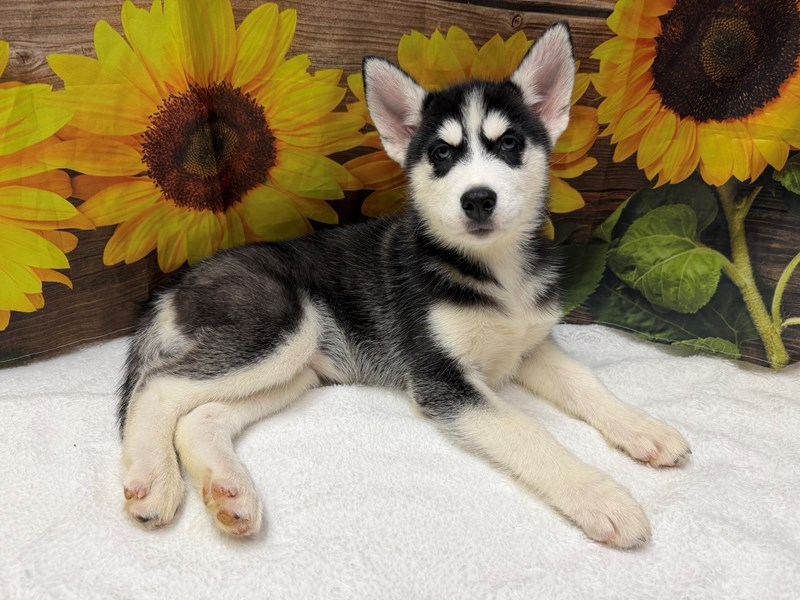
Siberian Husky Puppies
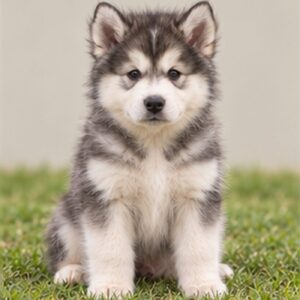
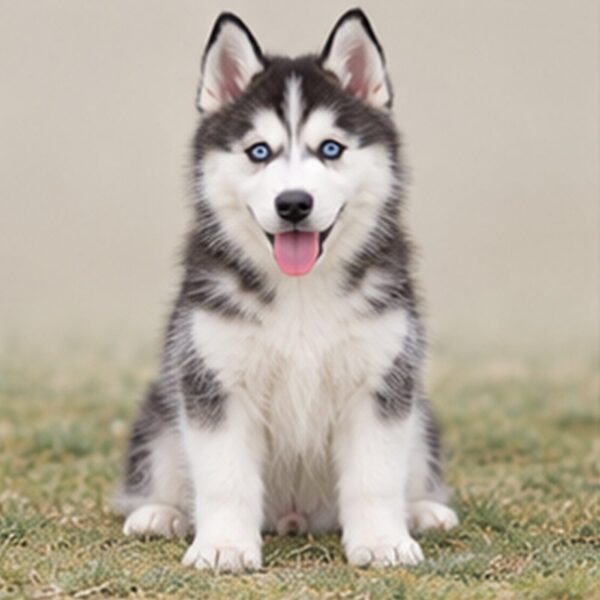
The Siberian husky is a medium-sized working breed that belongs to the spitz family. Its most distinctive features are its triangular sized ear and thickly furred double coat. The Siberian husky looks similar to a dog named the Alaskan Malamute. The only difference between the Siberian husky and the Alaskan malamute is that the former is a medium-sized dog whilst the latter is a large-sized dog. Discover more about our Siberian Husky puppies for sale below!
- Exercise 120 min a day
 1 available now
Available Siberian Husky Puppies
About the Siberian Husky
The Siberian Husky, with its striking looks and spirited personality, is a breed steeped in history and adventure. Originating from the Arctic regions, these beautiful dogs were bred by the Chukchi people for their incredible endurance and ability to thrive in harsh conditions. As you welcome a Siberian Husky into your home, you are not just bringing in a pet, but a companion who is intelligent, energetic, and always ready for the next outdoor expedition.
Read more about the Siberian Husky Show less
Huskies are known for their loving nature and can get along well with children and other dogs, making them a wonderful addition to family life. While they are affectionate and social, their independent spirit means they may not be as eager to please as some other breeds. Although they can bond closely with their families, they enjoy having their independence as well. With an energy level that requires regular exercise, these dogs thrive in active households where they can run and play. Daily walks, extensive games of fetch, and an opportunity to explore will make your Husky a happy camper.
Grooming a Siberian Husky can be quite a task, as they have a thick double coat that sheds significantly, especially during changing seasons. This breed does well with weekly grooming sessions to keep their fur in check and minimize shedding in your home. While they may not be the best fit for apartment living due to their need for space and exercise, a home with a yard will allow them to roam and play freely. Their moderate trainability means consistent and positive reinforcement is key to their development, but they are clever and will often find ways to keep you on your toes.
If you’re considering adding a Siberian Husky to your family, be prepared for their playful antics and spirited nature. These dogs have a bark that they will use from time to time, and while they may not be the quietest companions, their captivating eyes and heartwarming spirit will undoubtedly steal yours. For those in Petland Terre Haute, Indiana, it may be just the right time to find your furry friend, who will be a delightful part of your family’s adventures.
Siberian Husky breed profile
Every score below is set by our team for this breed. Higher is simply more of that trait, not better or worse.
Temperament
-
Affection Affectionate
-
Playfulness Always game
-
With strangers Friendly
-
Territorial Somewhat
-
Prey drive High
Family & other pets
-
Young children Good
-
Older children Excellent
-
Other dogs Sociable
-
Cats Needs care
Energy & exercise
-
Energy Very high
-
Mental stimulation High
Training
-
Trainability Willing learner
-
Intelligence Very bright
-
Stubbornness A stubborn streak
Care & upkeep
-
Shedding Very heavy
-
Drooling Minimal
-
Barking Moderate
Home life
-
Apartment living Prefers a house
-
Time alone Short periods
-
Cold weather Thrives in it
-
Warm weather Needs shade
A good match for
-
First-time owners Some experience helps
-
Senior owners Suitable
-
Running partner Excellent
-
Hiking Excellent
-
Therapy work Unlikely
-
Guarding Low
Living with a Siberian Husky
HISTORY
The Siberian husky has a very clear history. It was originally bred by the Chukchi people of the Northeast region of Asia. The Chukchi people valued the Siberian husky to be a “sled dog”. Sled dogs were the only viable means of transportation in the arctic region till the introduction of snowmobiles, airplanes and semi-trailer trucks.
The Siberian husky was also considered to be a great companion and family dog by the Chukchi people. The term husky is actually considered to be a corruption of the term esky which is used to refer to the Eskimo people of the arctic regions. The Siberian husky later found its way to Alaska at about 1908 during the period of the Alaskan gold rush. The husky was a perfect option for transporting gold, and also, for a popular sled dog racing competition named the all Alaskan sweepstakes.
By 1930, the Siberian husky was no longer exported from Siberia. However, in that same year, the dog was introduced to America. The major role it played in America was for military purposes. It was used by the American navy in 1933 to journey around the coast of Antarctica. The most popular Siberian huskies in history are Balto and Togo. They were the dogs who had the riskiest run in the “Great Race Of Mercy”, a race that saw huskies delivering serum to nome during the period when children were battling with the diphtheria epidemic.
TEMPERAMENT
The Siberian husky is usually a very intelligent and alert dog. It is also very loyal, gentle, outgoing and generally friendly. The Siberian husky is better known to be a dog that expects its owner to order it around as this has always been its major purpose to be led to drive a sled. However, the Siberian husky might make attempts to test the leadership qualities of their owners, once in a while. The best way to correct this is by being assertive and ensuring that your dog knows whos in charge. Asserting your leadership position has absolutely nothing to do with hitting the dog. Making it wait a little longer for food and treats is one the best way to assert your role as its leader. By doing this, the dog learns to show maximum respect.
ENVIRONMENT
The Siberian husky thrives perfectly well in a family environment and as does great as a militia dog. This is because, apart from the fact that it is originally used to being in harsh weather conditions, the Siberian husky was also a family dog and a companion to its original breeders. Known to be an escape artist, the Siberian dog is one that would always try to jump over fences, and dig different spots in gardens. For this reason, when keeping a Siberian husky, high fences that are dug into the ground must be made available
EXERCISE
The Siberian husky is an extremely active dog and as such, it likes lots of exercise. Engaging it in exercises such as running and walking might not be enough for it. It loves to play with its owners and may get destructive if it’s not getting adequate exercise. Training this dog is also very important. Engaging it in respect and obedience training is also important for it. Leash training is very important for your Siberian husky too. If left unleashed, it might just run too far away from its owner.
GROOMING
Grooming the Siberian husky is very important. In hot climates, the Siberian husky sheds a lot. However, it sheds less in colder climates. The rule of thumb is to brush its coat regularly and take care of all other parts of its body.
Our Siberian Husky puppies for sale come from either USDA licensed commercial breeders or hobby breeders with no more than 5 breeding mothers. USDA licensed commercial breeders account for less than 20% of all breeders in the country.
The unregulated breeders who are selling outside of the USDA regulations and without a license are what we consider to be “Puppy Mills.” We are committed to offering Siberian Husky puppies who will grow up to become important members of your family. We only purchase puppies from the very best sources, and we stand behind every puppy we sell.
Caring for a Siberian Husky
- Grooming
- Weekly brushing
- Grooming cost
- Average
- Monthly food
- Average
- Outdoor space
- A yard is recommended
- Allergy friendly
- Not considered hypoallergenic
Siberian Husky Video
Frequently Asked Questions
Do Siberian Husky make good guards?
Known to be very friendly breeds, the Siberian husky would make a very bad guard. They’re so friendly, they usually find it difficult to differentiate between a friend and a possible foe.
Do Siberian Husky bark?
The Siberian husky doesn’t bark. Instead, it howls. However, its howling might be very disturbing to neighbors.
Do Siberian Husky thrive well with children?
Yes. apart from being friendly in nature, its original breeders also valued it as a great family dog and so, they thrive well with children.
Can Siberian Husky be kept with other small pets?
It is best advised to keep them away from small pets. They might hunt them. However, with proper training, they’ll thrive with pets.
What is the average size of Siberian Husky?
The average size of a Female husky is 16–23 kg, while that of the male is: 20–27 kg
How often should Siberian Husky be fed?
They should be fed twice a day with at most two cups of dog food divided into 2 portions.
What is Siberian Husky average litter size?
The litter size of a Siberian husky per birth lies somewhere between 4 to 8 puppies.
Do Siberian Husky jump fences?
Siberian huskies are good jumpers and may jump a fence as high as 6ft tall.
What is the average life expectancy of Siberian Husky?
The average life expectancy of Siberian Husky is 12-15 years.
How tall do Siberian Husky grow?
The Siberian husky grows as tall as 24 inches.
The Siberian husky is a great companion, a fun-loving dog and might even act goofy. Loved for its friendliness, if the weather conditions are great, the Siberian husky is a wonderful pet.